International collaboration is vital for RIVM. It enables us to stay at the forefront of the latest global research and innovative developments. It enhances and strengthens our knowledge base and, as a result, improves the quality of our research and policy advice. It helps us prepare for a new global pandemic or health crisis. RIVM participates in a wide range of international research and innovation projects to help solve some of the biggest societal challenges. We share our knowledge and expertise internationally, and in turn, learn from others.
For more than 100 years, RIVM has been promoting public health and safeguarding a healthy and safe environment. We have a central role in infectious disease control, national prevention and population screening programmes and monitoring our population’s health and the state of our environment. We support citizens, professionals and national and local authorities in the challenge of keeping ourselves and our environment healthy, safe and sustainable. Our ambition is to be a trusted advisor using independent research as the basis for our advisory work. Below we present some global challenges we are working on and elaborate on our tasks and international activities.
What we do

International collaboration
International projects and networks

National tasks and activities
Highlighted themes

Climate change and Health

Pandemic Preparedness

Safe, healthy and sustainable food
Antimicrobial Resistance (AMR)
Population Screening programmes
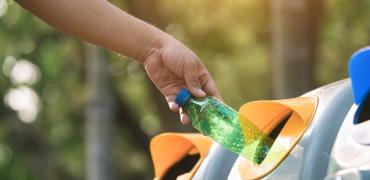
Circular Economy
Current information about the hantavirus
The hantavirus outbreak calls for intensive collaboration with various parties. RIVM works closely with Municipal Public Health Services, the Ministry of Health, Welfare and Sport, the Ministry of Foreign Affairs, Erasmus Medical Centre, national authorities, and international health organisations such as ECDC and WHO to provide up-to-date information and guidance. For the latest updates and resources about hantavirus, please visit our dedicated current information webpage.
RIVM International Newsletter
Would you like to be kept informed of our international work and related activities? Subscribe to our quarterly newsletter. Read our international newsletter issue 1, 2025.
News
PFAS in Dutch women’s breast milk
Disinformation and pressure on international cooperation pose major international threats to public health in the Netherlands

Hand washing main focus in case of risk of disease transmission by animals

Arrival and cleaning of the cruise ship Hondius
Hantavirus cruise ship passengers have arrived by plane: start of quarantine period

Update hantavirus